Jardin Botanique de GenèveSCIENCE, POINTED FORWARD
Connecting beauty, research, and the future of biodiversity.
Context
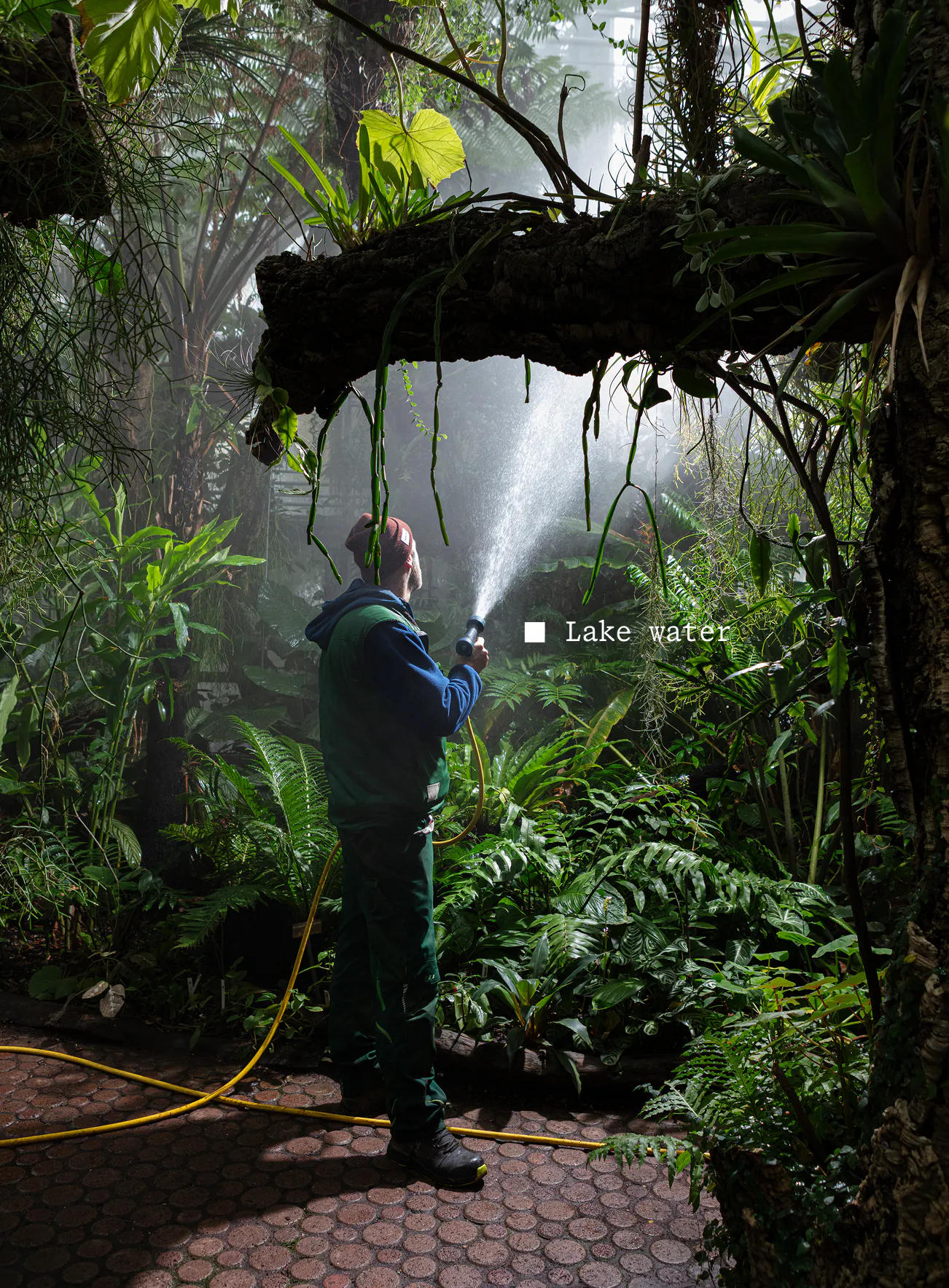
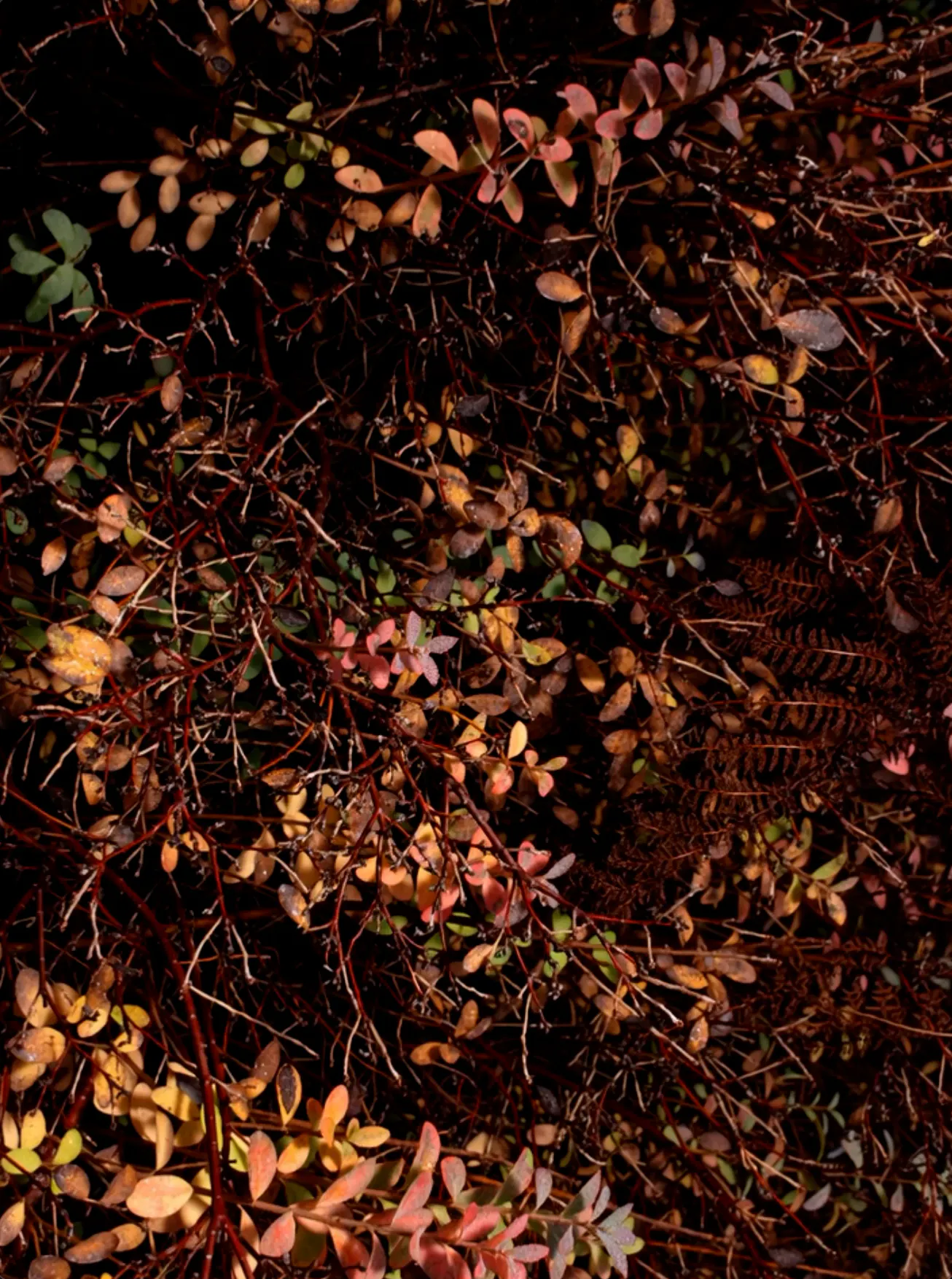
On the shores of Lake Geneva stands one of the world’s leading botanical institutions. Founded in 1817, the Jardin Botanique de Genève is internationally renowned for plant conservation, taxonomy, and mycology. Supported by the City of Geneva and private donors, its mission is the study and safeguarding of the living world. Behind its serene landscapes lies a scientific powerhouse: one of the world’s most important herbariums, a major seed bank, and research programs that shape global botanical knowledge. Uniquely, the garden is fully organic — a rare commitment at this scale — allowing nature to evolve on its own terms. Its scientists are at the forefront of research in systematics and genetics, contributing to international collaborations and shaping how plant knowledge is classified and shared worldwide. Open and free to the public, it is both a place of leisure and a world-leading scientific center.
Challenge
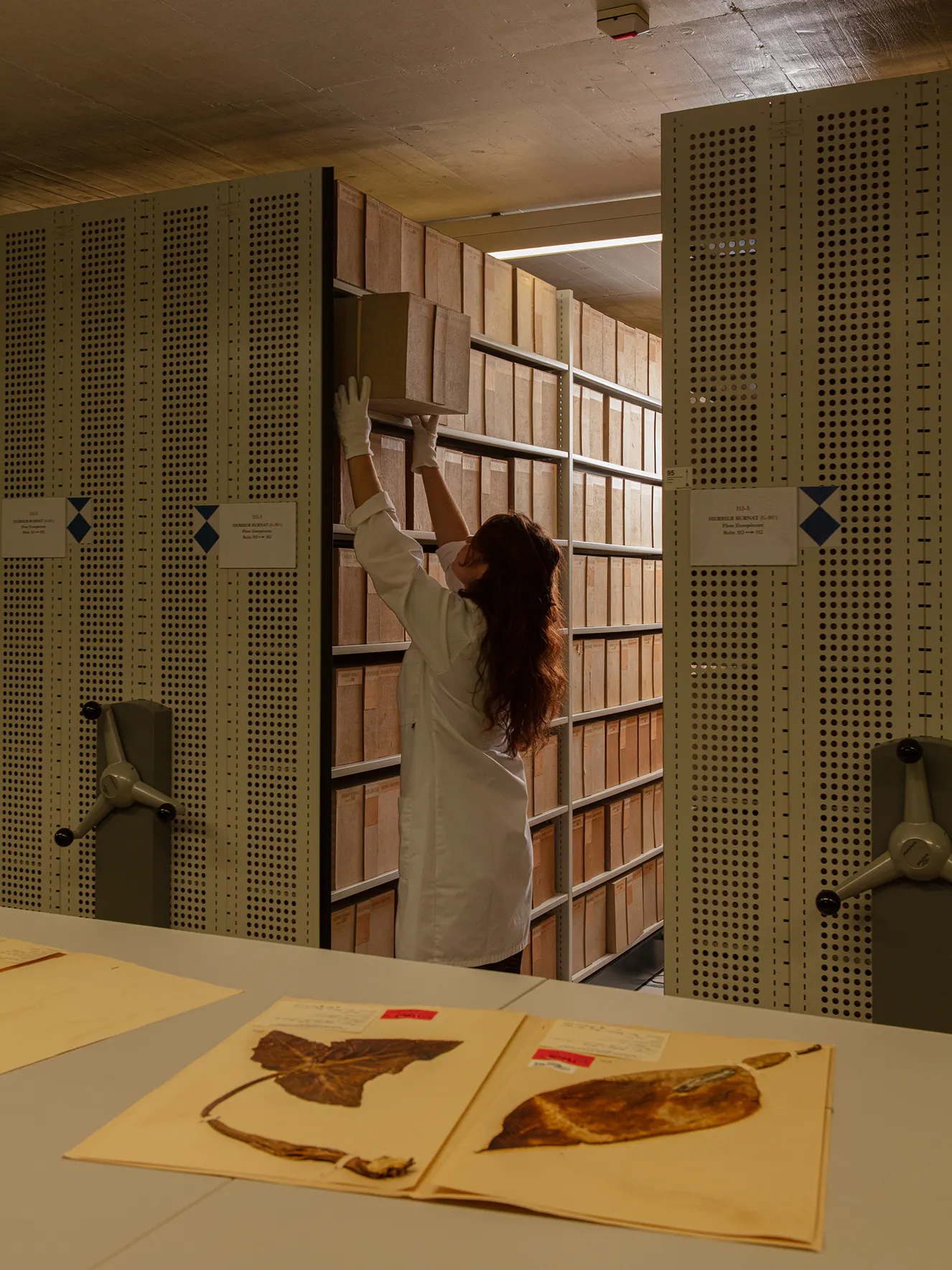
For most visitors, the Jardin Botanique was simply a beautiful garden. The depth of its scientific work, the laboratories, the underground herbarium bunker, and the global collaborations remained largely invisible. A gap had formed between perception and reality. While the institution ranks among the most advanced botanical centers in the world, its image felt static, even traditional. The inclusion of “Conservatory” in its former name reinforced the idea of preservation over action. The challenge was to shift that perception: to reveal the science, highlight the experts, and position the garden as a dynamic actor of the present and future. To reveal the invisible and to make science visible, accessible, and engaging. A place not only to admire nature, but to understand and protect it. And a source of pride for Geneva and beyond.
Solution
Connections, multiplied. Like roots beneath the soil, everything here is linked. The new identity, created by BaseGVA, makes those connections visible: between science and beauty, past and future, the visible garden and the hidden collections below ground, the local landscape and global biodiversity. A graphic “pointer,” inspired by scientific notation, anchors the visual language. It marks, connects, and reveals, guiding audiences from what they see to what they don’t. The redesigned logo embraces the idea of infinite connection, blending organic growth with scientific precision. Communication now shows the whole ecosystem: the blooms and the bunker, the trees and the taxonomy, the calm of the park and the rigor of research. Conservation becomes active, participatory, and outward-looking. The Jardin Botanique de Genève steps forward as what it truly is: a museum of the living. From the ground beneath our feet to the future we shape.
On the shores of Lake Geneva stands one of the world’s leading botanical institutions. Founded in 1817, the Jardin Botanique de Genève is internationally renowned for plant conservation, taxonomy, and mycology. Supported by the City of Geneva and private donors, its mission is the study and safeguarding of the living world. Behind its serene landscapes lies a scientific powerhouse: one of the world’s most important herbariums, a major seed bank, and research programs that shape global botanical knowledge. Uniquely, the garden is fully organic — a rare commitment at this scale — allowing nature to evolve on its own terms. Its scientists are at the forefront of research in systematics and genetics, contributing to international collaborations and shaping how plant knowledge is classified and shared worldwide. Open and free to the public, it is both a place of leisure and a world-leading scientific center.








- Creative DirectionAnthony Franklin
- Art DirectionLuc Vega
- DesignLuc Vega, Elsa Drevous
- Motion DesignLouis Dessaux
- Strategy & CopywritingHervé Rigal
- Digital DesignVincent Sauvaire
- Project ManagementGérald Moulière, Edouard Henry, Stefania Lakatos, Elias Carella
- PhotographyFéderal