Théâtre du ChâteletCenter Stage
Placing a beloved theater at the heart of Parisian culture
After years of closures for renovations and lockdowns, the Théâtre du Châtelet has fully returned with an identity and communications that celebrate the character and originality of individual performances. Detailed and vibrant illustrations were plastered across Paris to welcome visitors back to the historic venue, and remind them of the magic of a night at the theater.
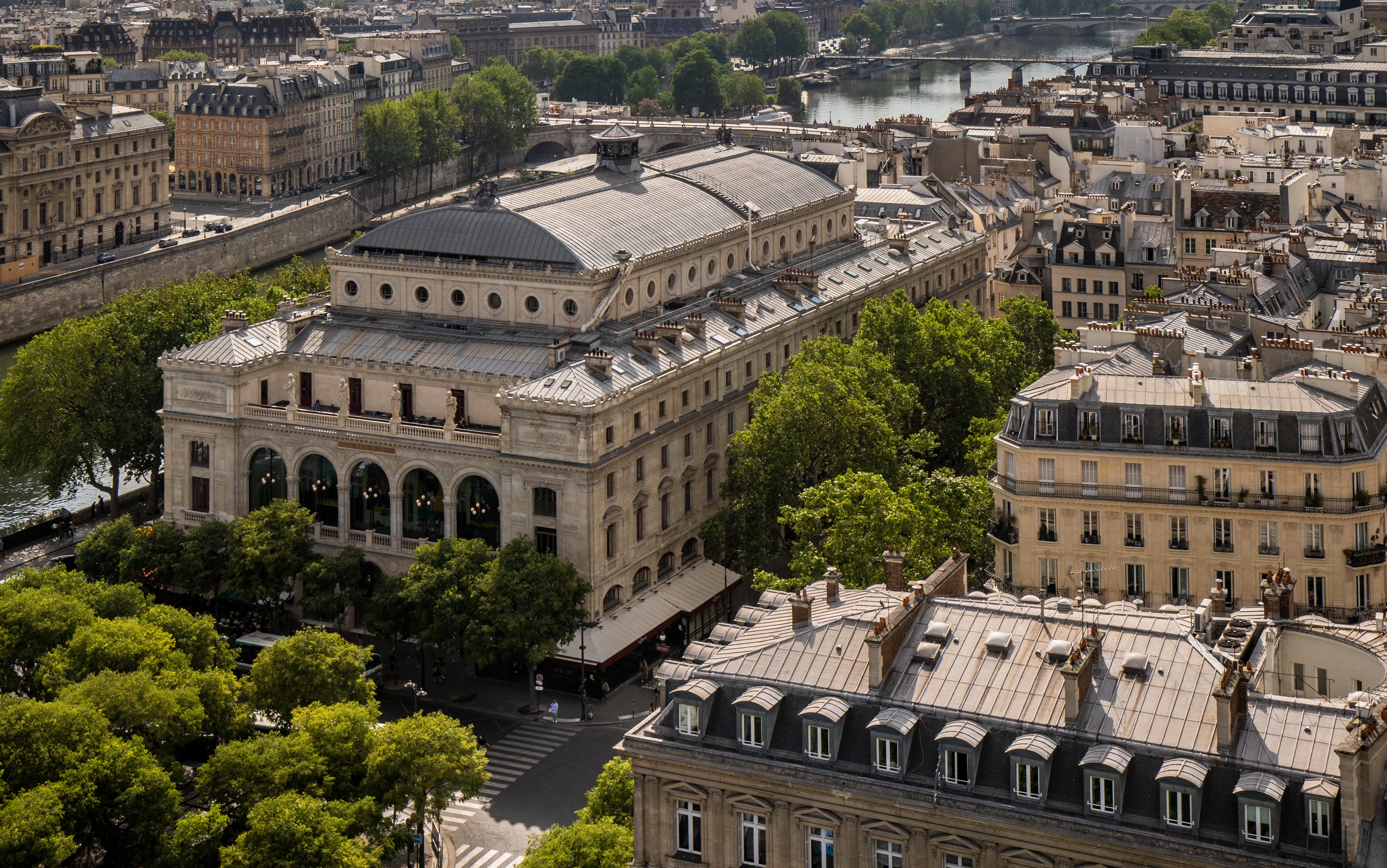
The Théâtre du Châtelet has a long tradition of producing avant-garde musical, dance and theatrical performances for all Parisians, steered by a line of strong leaders as directors. As one of the city’s iconic venues, the grand building close to the Seine hosts many glamorous events, including the prestigious César national film awards, as well as countless operas and orchestral recitals.Following two years of major renovation work, the Châtelet team asked us to rethink the visual identity and communications for the theater. This became even more critical when it was forced to close again during the pandemic, and an even greater effort was required to re-energize the teams both internal and externally, and get the place and its people up and running again.
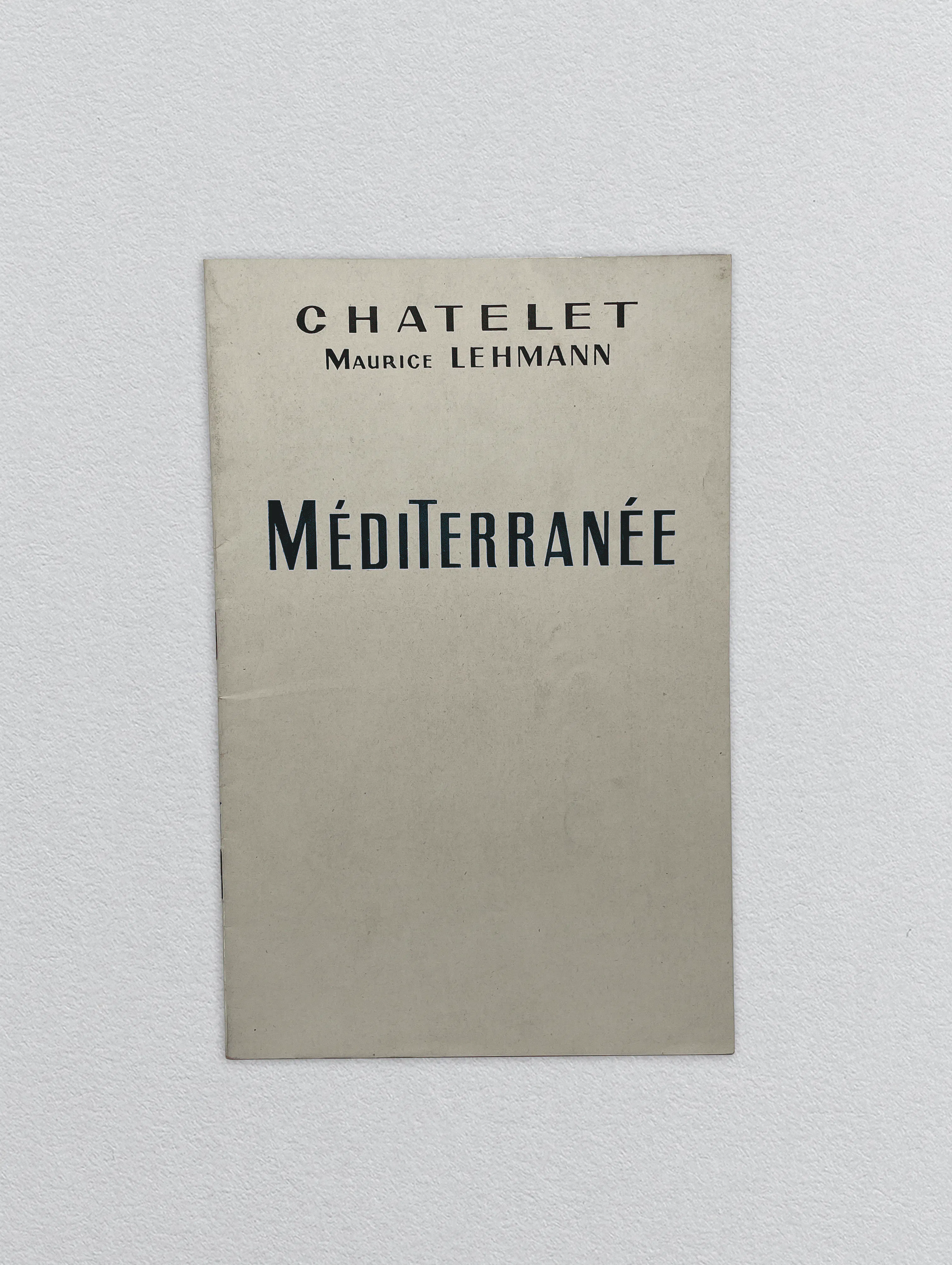
A strategy was developed by tracing this historic venue’s roots, in an attempt to understand what it is about contemporary musical theater that brings people together. Looking back into the archive, we discovered that visuals created to promote shows in the early 20th century did not include a logo, but title headers instead. So rather than creating a consistent identity, dictated by a toolbox of stiff graphic guidelines, we did the opposite.
Since each production at Châtelet is unique, with its own directors, composers and performers, a bold decision was taken to revert to the old way of advertising and communicate every show with its own header, visuals and typographic treatment—a dynamic and almost naïve approach.
Most theaters use on-stage photography for their posters, so to differentiate Châtelet, artists and illustrators were commissioned to create imagery for each production and season launch. A large illustration showing the theater building, and the activity in and around, was created by Virginie Morgand in four versions depicting Spring, Summer, Autumn and Winter, which were also used in sections to pick out details.
Accompanied by the tagline “Tous au Chatelet” (Everyone to Chatelet), this campaign celebrated the theater as a magical place to be, and encouraged patrons to return and rediscover the pleasure of a night out. These brightly colored graphics were difficult to miss around the streets of Paris.
A close collaboration with Châtelet general director Thomas Lauriot dit Prevost and general secretary Anne Rubinstein involved choosing the illustrators and managing art direction, before handing over to their communications department for implementation execution.
The results of the strategy had a huge tangible impact for the theater internally, causing a shift in energy and providing a boost to the team returning after lockdowns. Whatsmore, the fresh approach to the visual identity has allowed Châtelet to continue to set itself apart from all other theaters in Paris.
After years of closures for renovations and lockdowns, the Théâtre du Châtelet has fully returned with an identity and communications that celebrate the character and originality of individual performances. Detailed and vibrant illustrations were plastered across Paris to welcome visitors back to the historic venue, and remind them of the magic of a night at the theater.
The Théâtre du Châtelet has a long tradition of producing avant-garde musical, dance and theatrical performances for all Parisians, steered by a line of strong leaders as directors. As one of the city’s iconic venues, the grand building close to the Seine hosts many glamorous events, including the prestigious César national film awards, as well as countless operas and orchestral recitals.
Following two years of major renovation work, the Châtelet team asked us to rethink the visual identity and communications for the theater. This became even more critical when it was forced to close again during the pandemic, and an even greater effort was required to re-energize the teams both internal and externally, and get the place and its people up and running again.
A strategy was developed by tracing this historic venue’s roots, in an attempt to understand what it is about contemporary musical theater that brings people together. Looking back into the archive, we discovered that visuals created to promote shows in the early 20th century did not include a logo, but title headers instead. So rather than creating a consistent identity, dictated by a toolbox of stiff graphic guidelines, we did the opposite.
Since each production at Châtelet is unique, with its own directors, composers and performers, a bold decision was taken to revert to the old way of advertising and communicate every show with its own header, visuals and typographic treatment—a dynamic and almost naïve approach.
Most theaters use on-stage photography for their posters, so to differentiate Châtelet, artists and illustrators were commissioned to create imagery for each production and season launch. A large illustration showing the theater building, and the activity in and around, was created by Virginie Morgand in four versions depicting Spring, Summer, Autumn and Winter, which were also used in sections to pick out details.
Accompanied by the tagline “Tous au Chatelet” (Everyone to Chatelet), this campaign celebrated the theater as a magical place to be, and encouraged patrons to return and rediscover the pleasure of a night out. These brightly colored graphics were difficult to miss around the streets of Paris.
A close collaboration with Châtelet general director Thomas Lauriot dit Prevost and general secretary Anne Rubinstein involved choosing the illustrators and managing art direction, before handing over to their communications department for implementation execution.
The results of the strategy had a huge tangible impact for the theater internally, causing a shift in energy and providing a boost to the team returning after lockdowns. Whatsmore, the fresh approach to the visual identity has allowed Châtelet to continue to set itself apart from all other theaters in Paris.




- Creative Direction
- DesignAurélia de Azambuja
- Strategy & CopywritingGaston Lafond
- Project ManagementLola Philippart
- PhotographyAliocha Boi